

Monitoring, Evaluation, & Learning
Monitoring, Evaluation, & Learning (MEL) helps organizations track their work, measure impact, and continuously improve. We collect and analyze data on activities and outcomes, then use those insights to adapt strategies, strengthen results, and ensure every effort contributes to healthier ecosystems and thriving communities.
About MEL
Monitoring, Evaluation, and Learning (MEL) in conservation is a structured approach that helps organizations track their activities, assess their outcomes, and use insights to improve impact.
Specifically:
Monitoring involves regularly collecting data on conservation activities and outputs (e.g., number of hectares restored, species monitored, community outreach sessions held) to ensure projects are on track.
Evaluation is the systematic assessment of the effectiveness and outcomes of conservation interventions (e.g., how restoration efforts affect biodiversity or local livelihoods), often using both quantitative and qualitative data.
Learning is the process of analyzing monitoring and evaluation findings to inform decision-making, adapt strategies, and improve future conservation impact.

MEL ensures that conservation efforts are evidence-based, adaptive, and continually improving—moving beyond just reporting outcomes to actively shaping better strategies for ecosystems and communities.
Our Approach to MEL
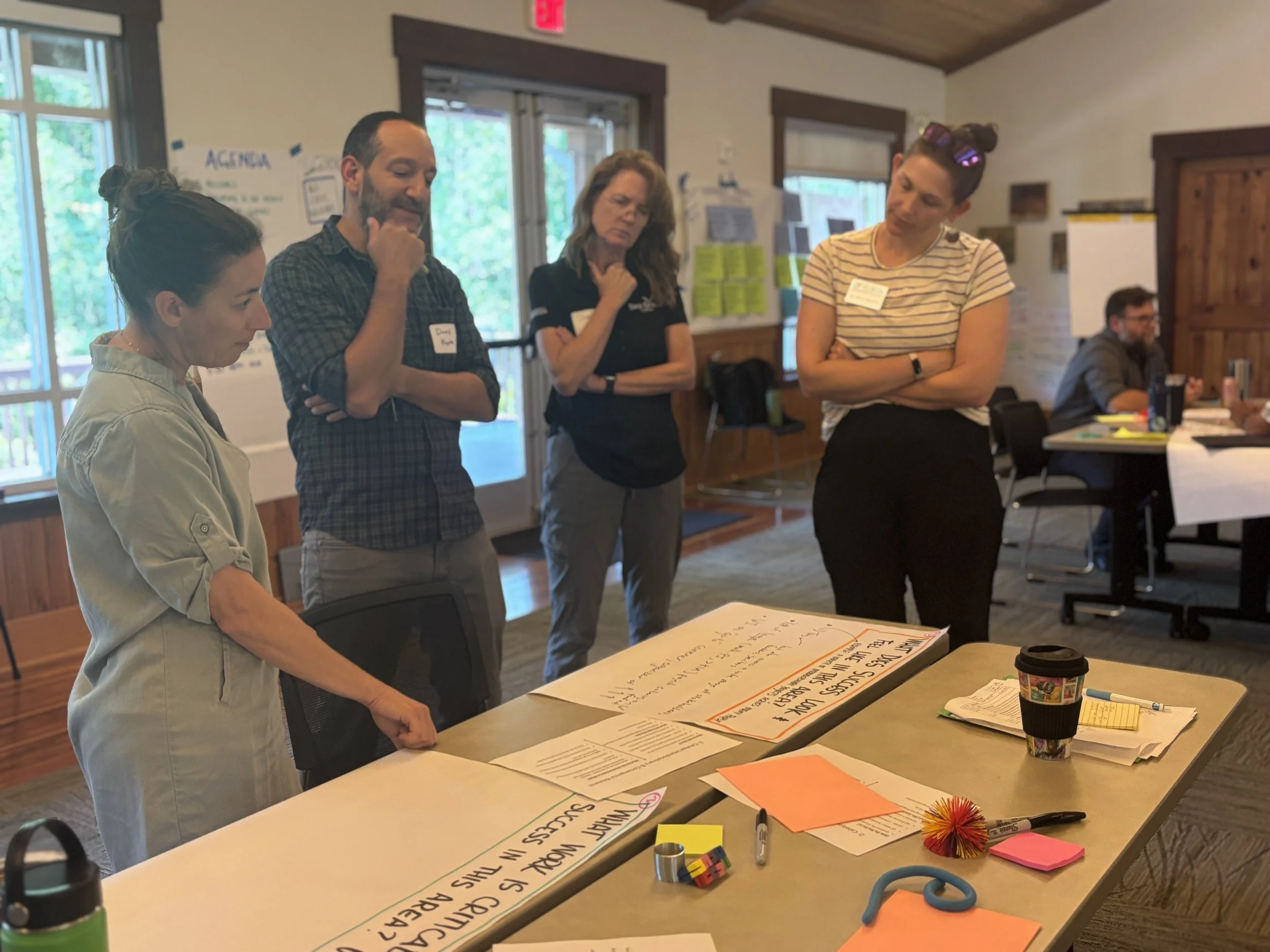
We meet teams where they are, tailoring MEL to fit your capacity, context, and goals.
Whether you’re tracking key metrics or building a full MEL system, we help prioritize what matters most and turn data into meaningful insights.
Our approach goes beyond checklists—we design systems that align data, strategy, finance, and learning, so every part of your organization benefits. By strengthening internal capacity and making data approachable, we help teams feel confident, curious, and empowered to use learning to improve impact.
We accomplish this through:
Third-party evaluations – Rigorous, practical assessments that combine qualitative and quantitative methods to understand outcomes and inform improvements.
Institutional adoption of MEL – Embedding learning into organizational operations, aligning systems across departments, and creating sustainable MEL cultures.
Project & program evaluation – Aligning evaluations with goals and theories of change, turning findings into strategic insights and capacity-building opportunities.
Knowledge management – Designing human-centered systems to store, retrieve, and share insights, improving strategy, onboarding, and reporting.
Lasting Impact
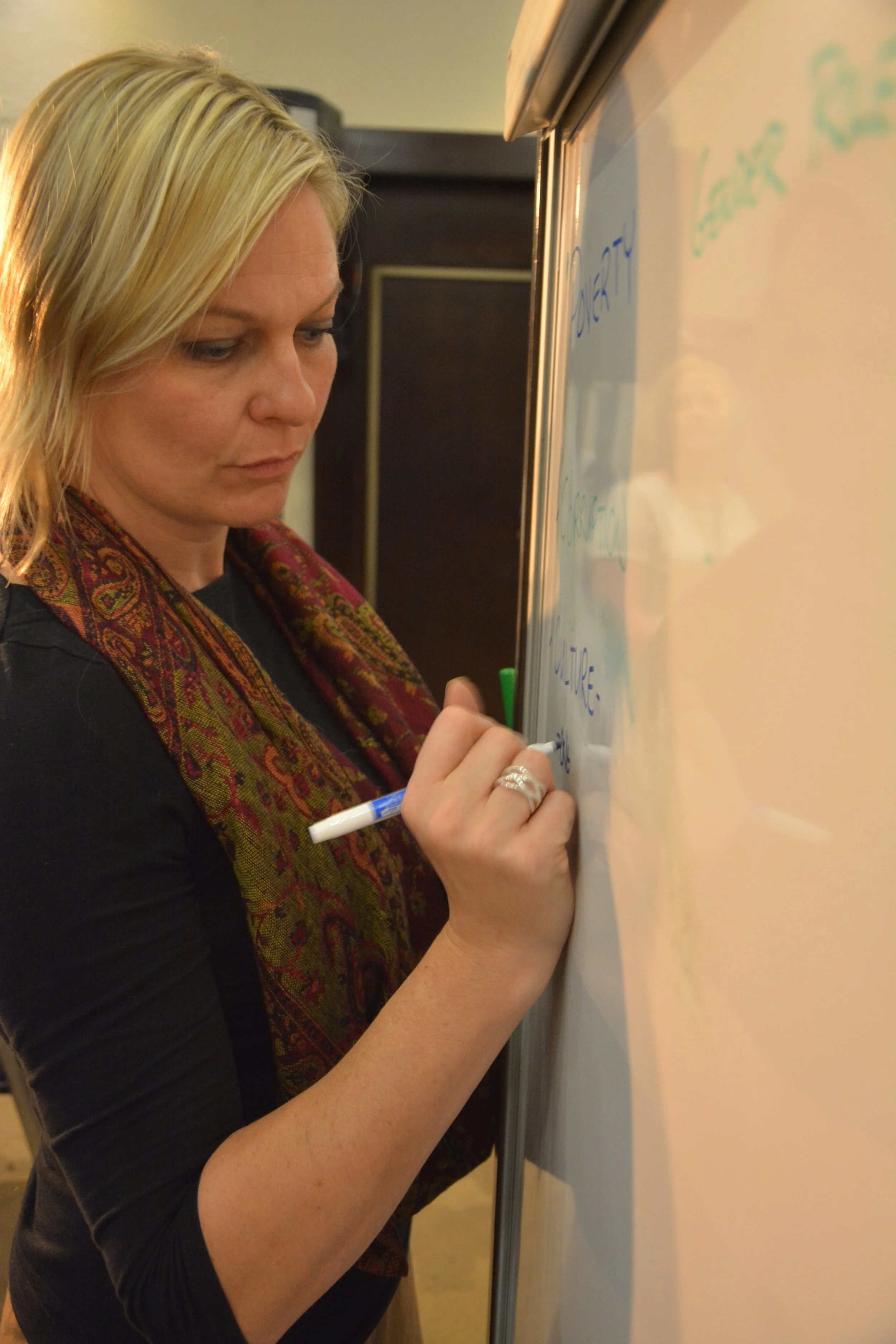
Success in MEL looks like teams that understand their progress, act with clarity, and adapt confidently.
Our approach transforms data into momentum, turning monitoring and evaluation from a reporting obligation into a practical, empowering tool for strategic decision-making.
We design integrated systems that connect indicators, strategy, and organizational culture so teams can understand what’s working, why, and how to adapt for greater impact on people, communities, and ecosystems.