
Our Work In Action
Impact by Design partners with organizations worldwide to solve complex challenges and strengthen impact. These are just a few examples of how we help teams plan strategically, strengthen capacity, and turn insights into meaningful action. Explore how our collaborative approach drives real-world change across conservation, animal welfare, and beyond.
Alliance & Partnership Management
Organization: Global Mangrove Alliance
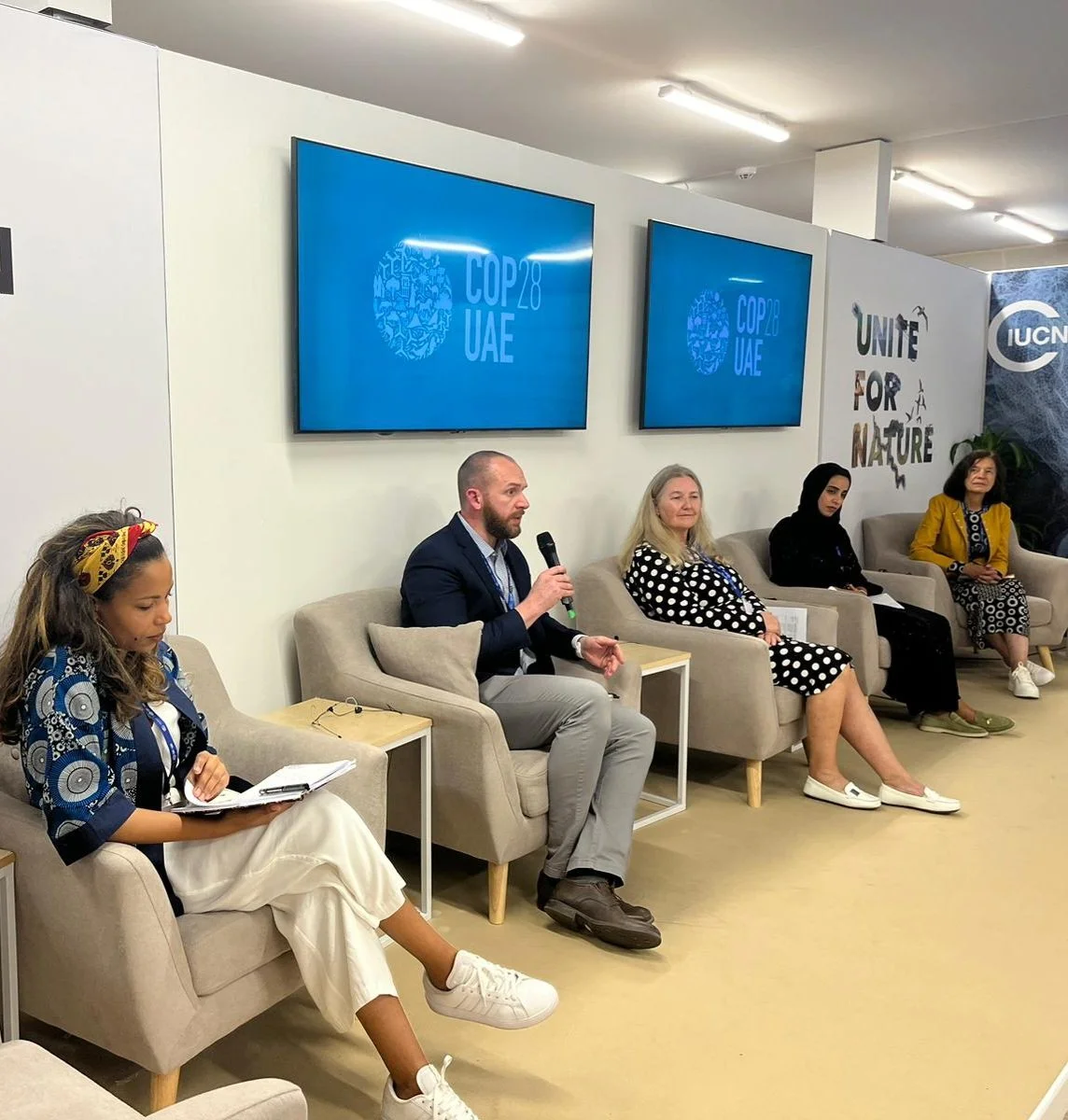
Impact by Design serves as the dedicated alliance manager for the Global Mangrove Alliance, a network of over 100 organizations working together to achieve bold 2030 goals for mangrove conservation. Since 2019, we’ve supported the alliance in refining its strategy, coordinating a complex global network, and building collaborative systems that turn shared vision into impact. Acting as a neutral convener and organizer, we keep partners aligned, communication flowing, and governance strong. By creating dependable systems and spaces for collaboration, we lift the burden from individual institutions—so they can focus on the work that matters and achieve more together than they could alone.
Strategy & Program Planning
Organization: North American Society for Bat Research
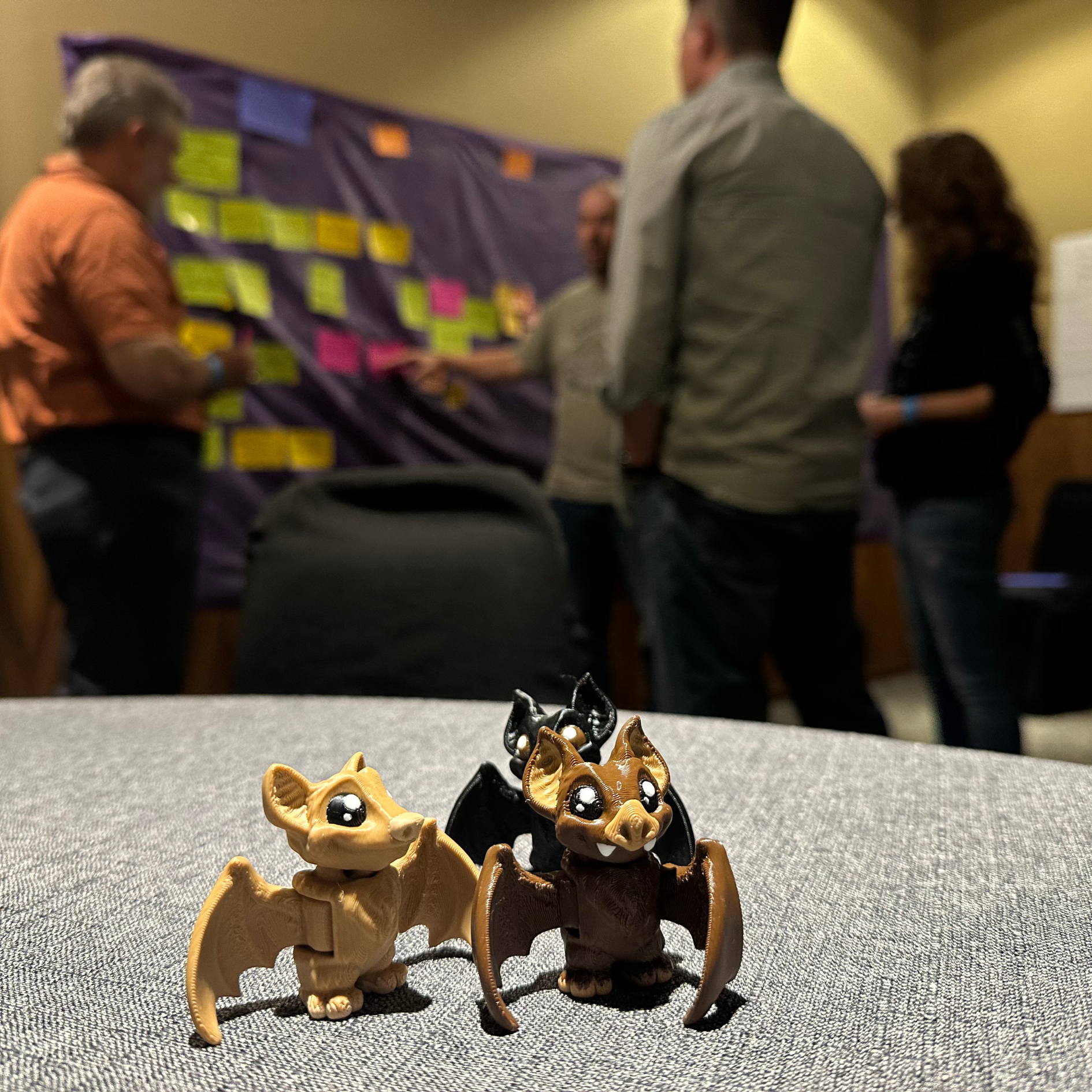
As the North American Society for Bat Research (NASBR) marked its 50th anniversary and welcomed new growth, the organization recognized the need for a clear strategy to guide its role, resources, and impact. Impact by Design partnered with NASBR to design and facilitate a participatory planning process. Together, we worked with the Board to set clear objectives, gather meaningful input from members at the Annual Symposium, and build a framework for the society’s future direction. The result: a shared vision and strategic roadmap that position NASBR to be an influential platform for critical bat research and conservation for years to come.
Strategy & Program Planning
Organization: Wildlife Conservation Network
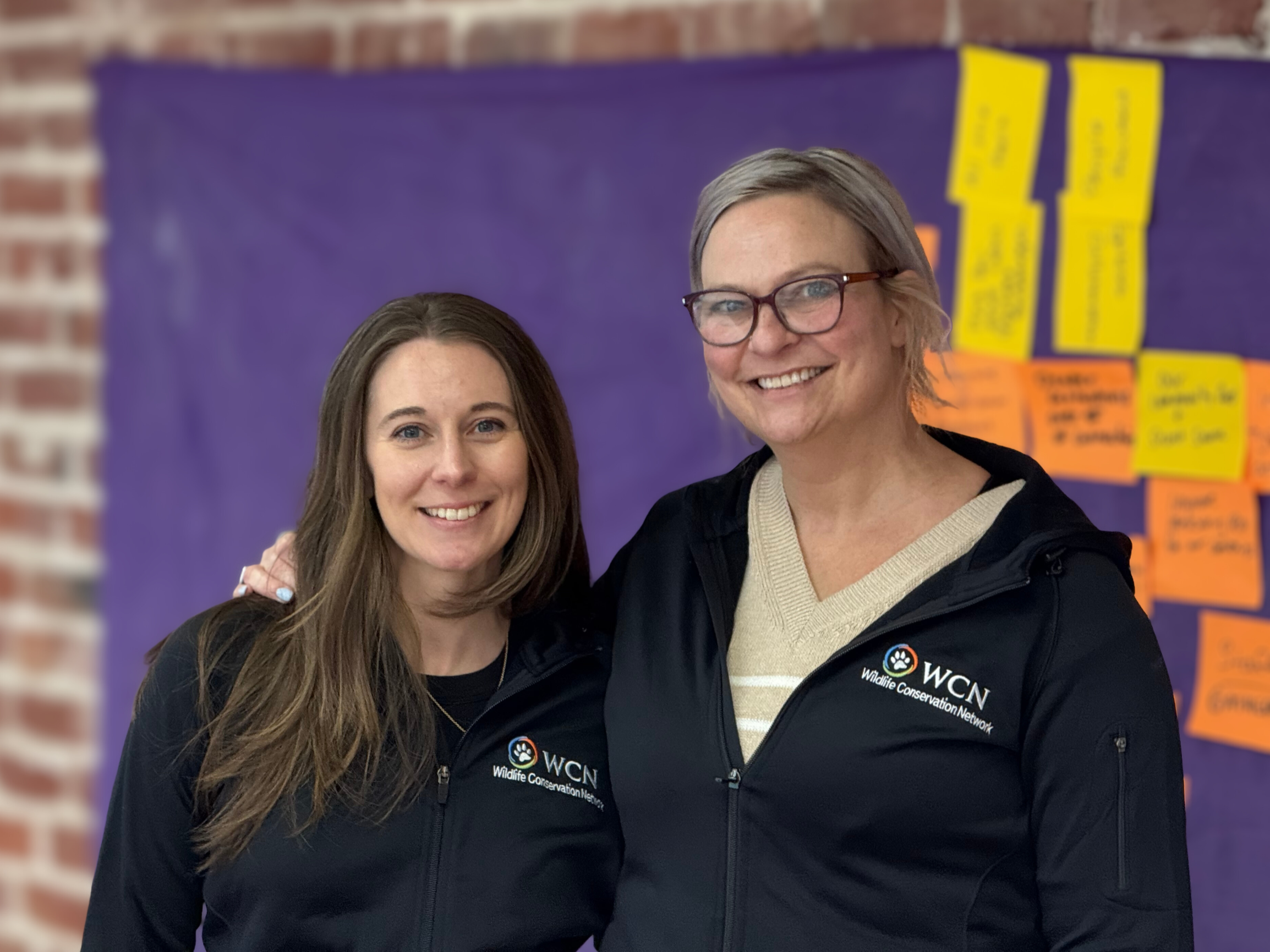
Impact by Design partnered with Wildlife Conservation Network (WCN) on a year-long, highly collaborative strategic planning process to support the organization to clarify its long-term direction, align internal priorities, and strengthen the connection between its mission, programs, and operating model. Working closely with WCN’s Leadership Team, we designed and facilitated a multi-phase process that engaged staff, board members, conservation partners, and donor advisors. The work integrated internal assessments, operational analysis, participatory workshops, and Board-level strategy sessions, culminating in a shared Theory of Change and an actionable strategic framework. The final plan reflects an ambitious plan for WCN’s future, as well as strategic priorities to guide decisions, allocate resources, and measure progress in the years ahead.
Facilitation & Training
Organization: Humane World for Animals
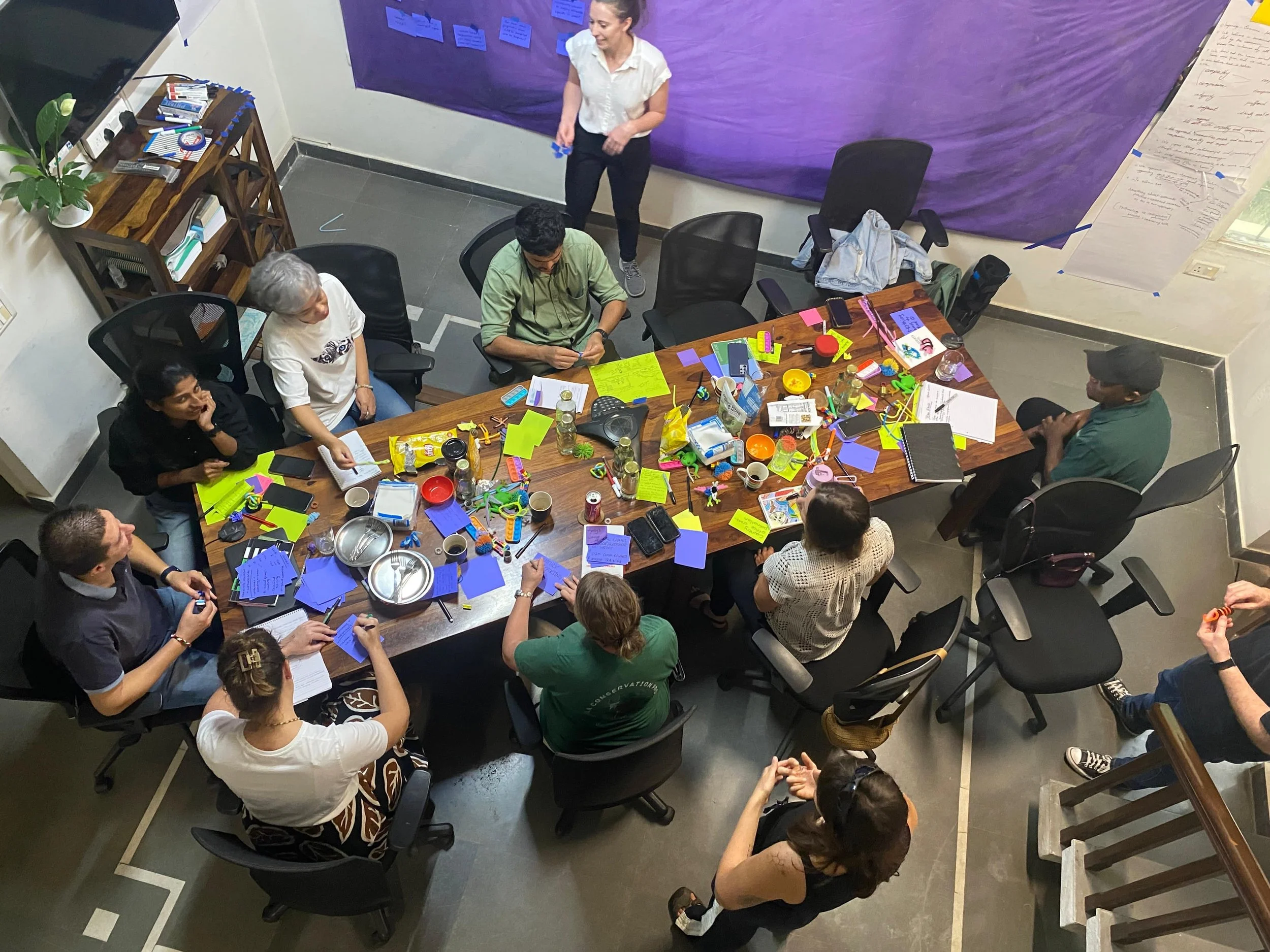
Humane World’s Global Disaster Response team partnered with Impact by Design to develop the next iteration of its strategic plan, supporting growth while maintaining effectiveness as a small yet impactful team. In September, IbD spent a week in Hyderabad, India with the team—whose members came from Vietnam, Australia, Mexico, South Africa, the United States, and India—for a three-day participatory planning workshop followed by a one-day facilitation training. The sessions fostered dialogue on key questions, including balancing regional flexibility with global consistency, strengthening risk reduction strategies, and expanding reach, while building alignment around a shared vision. The final day culminated with a deep dive training in facilitation theory and skills application, learning to create engaging meetings, workshops, and trainings.
Facilitation & Training
Organization: IUCN
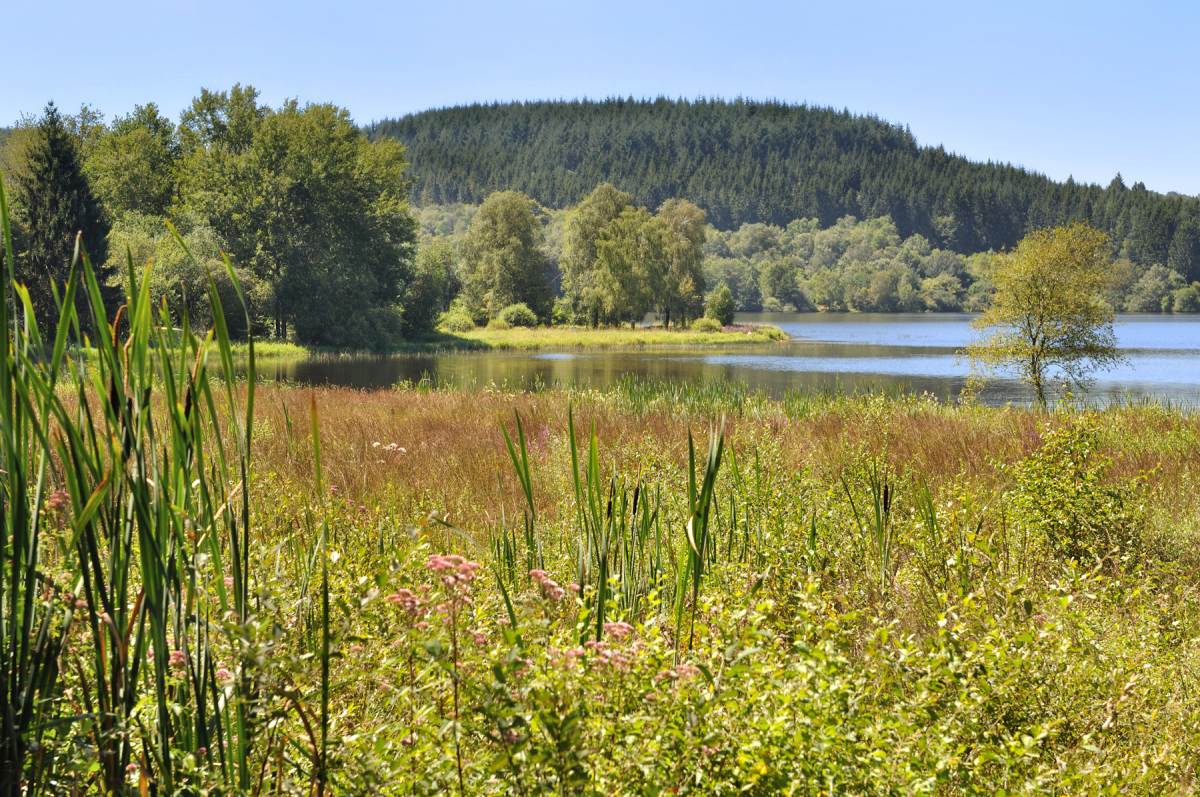
Impact by Design worked with teams at IUCN to facilitate the development of the Restoration Intervention Typology for Terrestrial Ecosystems (RITTE), a key aspect of the Restoration Barometer. This exciting tool streamlines how governments worldwide can report on restoration projects across various ecosystems. IbD collaborated closely with the planning team, mapping key questions, leading deep listening sessions with ecosystem representatives, and capturing feedback to improve the tool’s usability and impact. Through reflection and facilitated discussions, IbD guided the team in aligning on next steps, clarifying roles, and integrating lessons learned, resulting in a more robust, actionable tool that supports IUCN’s mission for effective ecological restoration.
Conservation & Social Science
Organization: Jane Goodall Institute
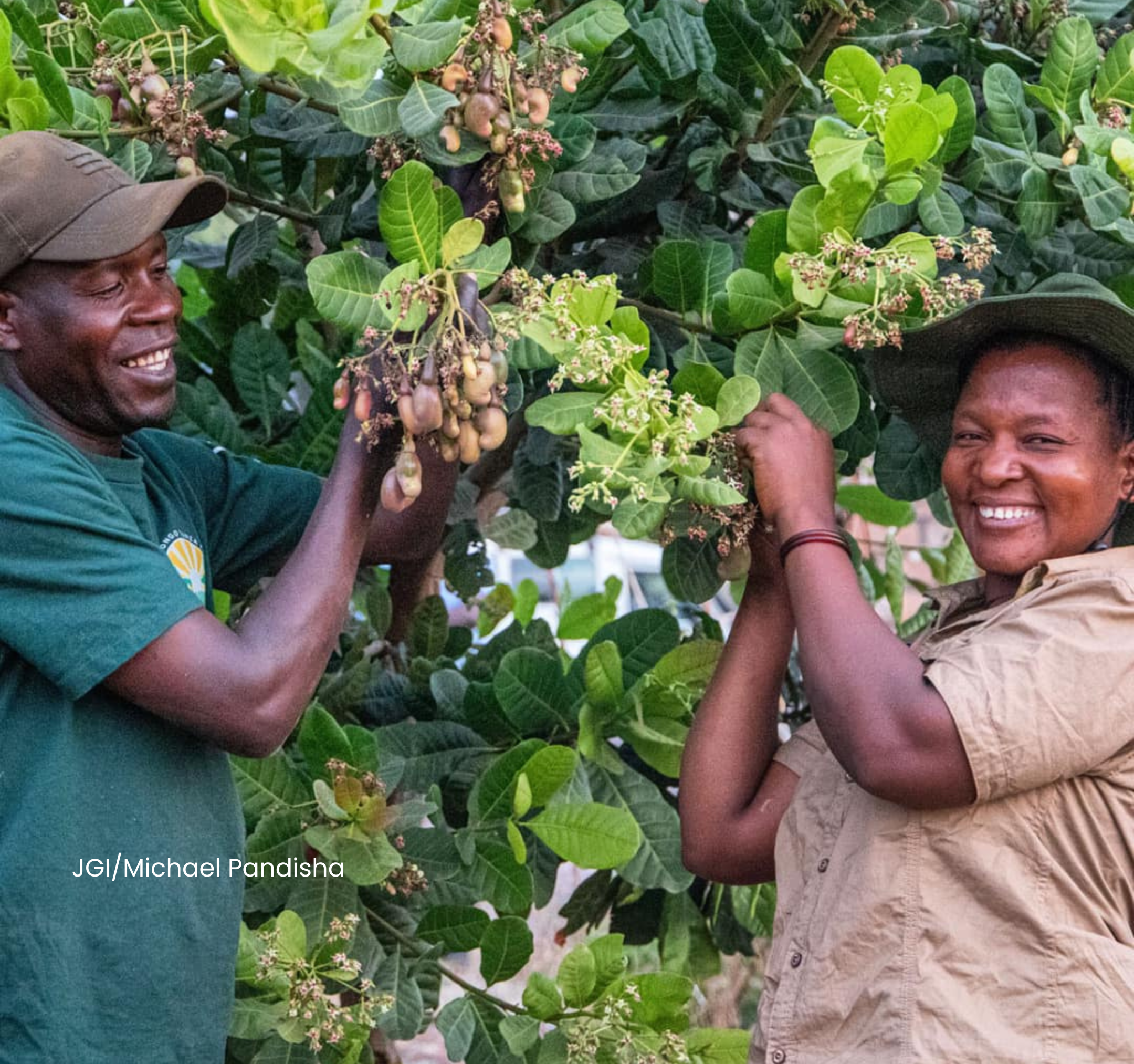
In Western Tanzania, Impact by Design partnered with the Jane Goodall Institute through the USAID-funded Landscape Conservation project to address soil infertility that was pushing farmers to clear forests and threaten chimpanzee habitats. By combining GIS data, community surveys, and social science insights, composting emerged as a simple, effective solution. With JGI’s Tacare approach, local leaders became demonstration farmers, showing neighbors how composting restores soil, boosts harvests, and strengthens livelihoods. Today, farmers are tripling their yields while reducing pressure on forests—proving that community-led solutions can improve lives and protect nature at the same time.